What is a soft tissue injury? Your complete guide
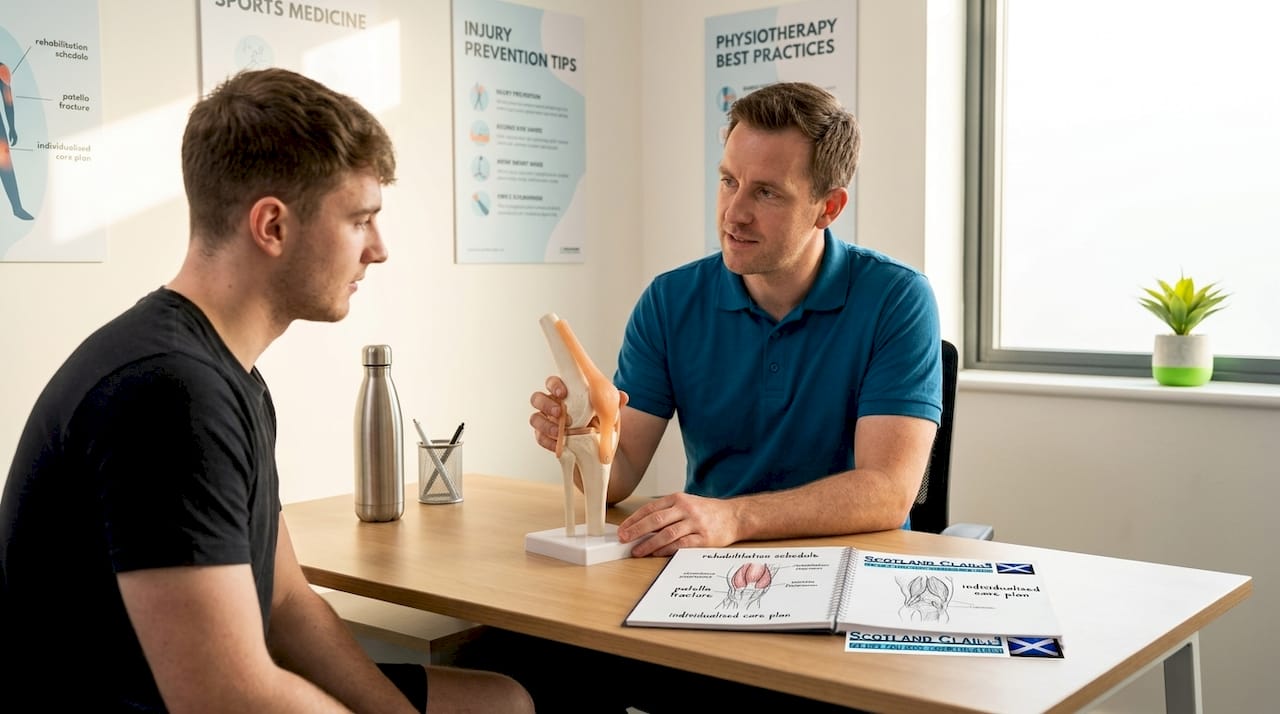
TL;DR:
- Soft tissue injuries involve damage to muscles, tendons, ligaments, or fascia, ranging from minor bruises to complete ruptures requiring surgery. Recognizing symptoms early and applying proper treatment, such as the RICE protocol, can speed recovery and prevent complications, especially in severe cases. If caused by negligence in Scotland, victims may file a compensation claim within three years, with legal support available through specialized firms.
Soft tissue injuries are one of the most common reasons people seek medical attention after an accident, yet they are frequently dismissed as something that will simply “sort itself out.” The reality is more complicated. A soft tissue injury is damage to the muscles, tendons, ligaments, or fascia of the body, and the term covers everything from a minor bruise to a complete ligament rupture requiring surgery. Understanding what you are actually dealing with, how serious it might be, and what your options are, including a legal claim if someone else was at fault, is the first step to making a proper recovery.
Table of Contents
Key takeaways
| Point |
Details |
| Soft tissue injury definition |
Damage to muscles, tendons, ligaments, or fascia, ranging from mild bruising to complete tears. |
| Types vary widely |
Sprains, strains, contusions, tendinitis, and bursitis all fall under this category with different treatments. |
| Warning signs matter |
An audible pop, rapid swelling, or inability to bear weight needs urgent professional assessment. |
| Early treatment speeds recovery |
RICE protocol and timely physiotherapy reduce long-term complications and recovery time. |
| You may have a claim |
If your injury was caused by someone else’s negligence in Scotland, you have up to three years to claim. |
What is a soft tissue injury?
The soft tissue injury definition, at its simplest, is any damage to the body’s non-bony connective tissues. This includes muscles, tendons (which attach muscle to bone), ligaments (which connect bone to bone), and fascia (the connective tissue surrounding muscles and organs). Because these tissues are present throughout the entire body, soft tissue injuries are extraordinarily varied in both location and severity.
Common soft tissue injury examples include:
| Injury type |
What it is |
Common affected areas |
| Sprain |
Stretching or tearing of a ligament |
Ankle, knee, wrist |
| Strain |
Stretching or tearing of a muscle or tendon |
Hamstring, lower back, shoulder |
| Contusion |
A bruise from direct impact compressing tissue |
Thigh, shin, upper arm |
| Tendinitis |
Inflammation of a tendon from overuse |
Achilles tendon, rotator cuff, elbow |
| Bursitis |
Inflammation of fluid-filled sacs cushioning joints |
Hip, knee, shoulder |
Sprains and strains are further graded by severity. A first-degree injury involves minor fibre tearing with little functional loss. A second-degree injury is a significant partial tear causing noticeable weakness and pain. A third-degree injury is a complete rupture, often requiring surgical repair. This grading matters enormously because treatment for a first-degree ankle sprain and a third-degree ligament rupture are worlds apart. Treating them the same way is how people end up with chronic instability or prolonged disability years down the line.
One thing worth clarifying: clinicians sometimes use “soft tissue injury” as a shorthand to exclude fractures after an X-ray. If a doctor tells you this, it is worth asking them which specific tissue is affected. Recovery paths differ considerably depending on whether you have strained a muscle or torn a ligament, and that distinction also matters for any compensation claim you might make.
What causes soft tissue injuries?
Soft tissue injuries happen in two main ways: sudden trauma and cumulative overuse. Both are equally capable of causing serious damage, but they tend to affect different people in different circumstances.
Sudden trauma is the more obvious mechanism. A twisted ankle on uneven ground, a fall at work, a collision on the football pitch, or a road traffic accident can all overload tissue beyond its tolerance in a fraction of a second. The injury happens before you even have time to brace for it.
Overuse injuries build up more gradually. Tendinitis is common among people who suddenly increase activity without a gradual build-up, a pattern clinicians sometimes call the “weekend warrior” effect. Middle-aged adults are particularly susceptible because tissue elasticity reduces with age while motivation to exercise remains high. Occupational overuse is also significant. Repetitive manual handling, awkward postures, and prolonged standing all place cumulative stress on tendons and ligaments that eventually leads to injury.
Key risk factors for soft tissue injuries include:
- Sudden increase in activity without adequate conditioning or rest
- Poor warm-up habits before physical exertion
- Previous injury to the same area, which weakens tissue integrity
- Age-related changes that reduce elasticity in tendons and ligaments
- Occupational hazards such as manual handling, slips, and repetitive tasks
- Contact sports or activities with high collision or twisting risk
- Fatigue causing reduced coordination and poor biomechanics
Pro Tip: If you are returning to sport or physical work after a break, increase your intensity and duration by no more than 10% per week. The majority of overuse injuries are preventable with this single habit.
Recognising the symptoms
Soft tissue damage symptoms share a common core: pain, swelling, bruising, and reduced range of movement. These appear in most soft tissue injuries regardless of which tissue is affected or how severe the damage is. What changes is the degree and speed of onset.

Mild injuries typically cause localised tenderness with modest swelling that develops over several hours. Moderate injuries produce more immediate swelling, obvious bruising, and meaningful loss of function. Severe injuries can cause dramatic, rapid swelling, pronounced bruising that appears quickly, and an inability to use the affected area at all.
Several signs indicate that an injury needs urgent professional assessment rather than home management:
- An audible pop or crack at the moment of injury, which may indicate a complete ligament rupture
- Rapid swelling within minutes of the injury occurring
- Numbness or tingling around the injury site, suggesting nerve involvement
- Inability to bear weight on the affected limb
- Persistent pain over 48 hours with no sign of improvement despite rest
- Visible deformity or unusual joint position
It is also worth understanding inflammation’s role here. The swelling and heat you feel after injury are the body’s healing mechanism at work. Inflammation signals repair processes to begin. The problem arises when inflammation is excessive or prolonged, in which case it becomes counterproductive. This is why how you manage swelling in the early days matters.
Pro Tip: Do not wait to see if a suspected soft tissue injury improves on its own if any of the six signs above are present. A partial tear that is left unmanaged can progress to a complete rupture with continued use.
How to treat soft tissue injuries
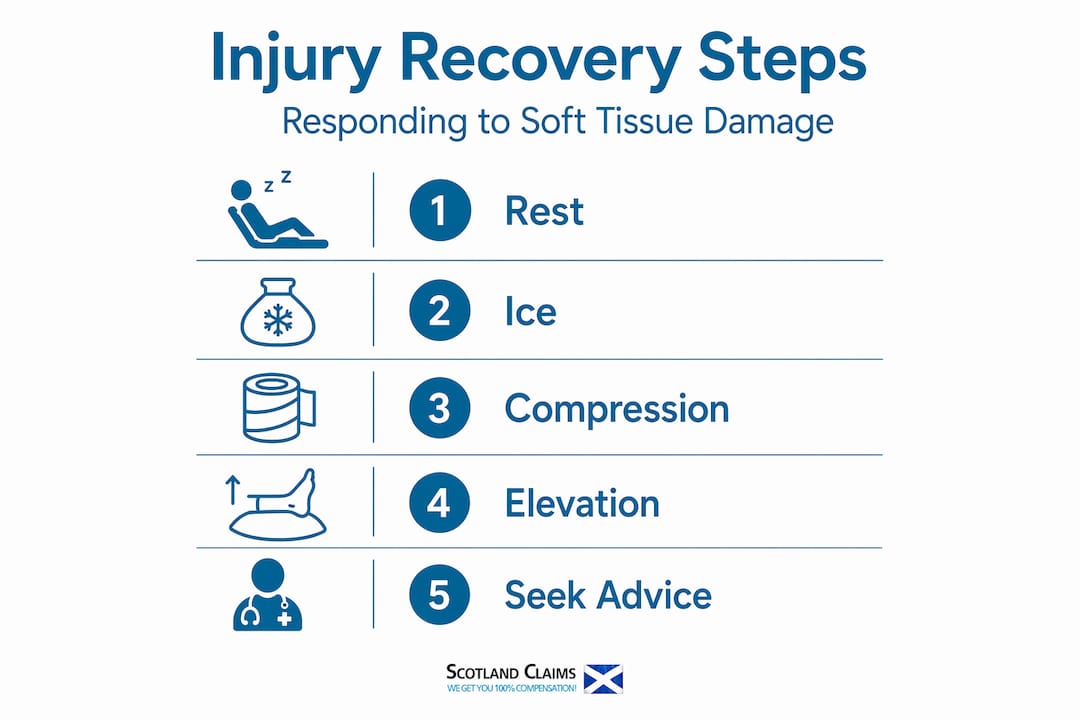
The cornerstone of initial soft tissue injury treatment is the RICE protocol, which stands for Rest, Ice, Compression, and Elevation. The RICE method reduces bleeding into the tissue, limits swelling, and manages pain in the critical first 24 to 72 hours after injury. Applied correctly and promptly, it can make a tangible difference to how quickly you progress through recovery.
Beyond initial first aid, treatment depends heavily on the specific injury type and severity. Mild strains and sprains often resolve with rest, physiotherapy exercises, and gradual return to activity over a few weeks. Moderate injuries may require more structured physiotherapy over several months. Severe injuries involving complete ruptures, particularly to major ligaments such as the ACL in the knee, frequently need surgical repair followed by months of rehabilitation.
One of the most misunderstood aspects of soft tissue injury recovery involves inflammation. Managing inflammation effectively means controlling excessive swelling without entirely suppressing the inflammatory process that drives healing. Aggressive use of anti-inflammatory medication in the very early stages can, in some cases, slow tissue repair. Your GP or physiotherapist can advise on the right balance for your specific injury.
Typical recovery timelines give a useful general picture:
- Mild (1st degree): One to three weeks with appropriate rest and self-management
- Moderate (2nd degree): Four to twelve weeks with physiotherapy and structured rehabilitation
- Severe (3rd degree): Three to twelve months, often including surgical intervention and extended rehabilitation
Recovery dos and don’ts during the healing period:
- Do follow the RICE protocol in the first 48 to 72 hours
- Do attend all physiotherapy appointments and complete home exercises
- Do keep a record of your symptoms, treatment, and any time off work
- Don’t return to full activity before you are cleared to do so by a professional
- Don’t use heat or alcohol in the first 48 hours, as both increase swelling
- Don’t assume that reduced pain means you are fully healed
Getting an accurate diagnosis from a GP or specialist is non-negotiable for anything beyond the mildest injuries. The soft tissue injury umbrella covers too broad a range of conditions to self-manage reliably without knowing exactly what you are dealing with.
Making a soft tissue injury claim in Scotland
If your soft tissue injury was caused by someone else’s negligence, whether in a road traffic accident, a slip or trip in a public place, or an accident at work, you may be entitled to compensation under Scottish law.
What makes an injury legally compensable is the presence of negligence. That means someone owed you a duty of care, they breached that duty, and their breach directly caused your injury. Soft tissue injuries from road traffic accidents, workplace accidents, and slips or trips all commonly satisfy this criteria when the circumstances are right.
Key points to understand about the claims process:
- Time limits matter. In Scotland, you generally have three years from the date of your injury to make a claim. Missing this deadline almost always means losing your right to compensation.
- Act promptly. The sooner you take action after your accident, the easier it is to gather evidence, obtain witness statements, and build a strong case.
- Medical evidence is central. Your GP records, hospital notes, and physiotherapy reports form the foundation of any soft tissue injury claim.
- No Win No Fee removes financial risk. With a no win no fee arrangement, you pay nothing upfront and nothing at all if your claim is unsuccessful.
Pro Tip: Start gathering evidence from the moment of injury. Photograph the scene, note down what happened while it is fresh, keep all medical receipts and letters, and record any time off work. This documentation is often the difference between a strong claim and a weak one.
Roger’s perspective: what people get wrong about soft tissue injuries
I’ve spent years working alongside people who are dealing with soft tissue injuries, and the pattern I see most often is underestimation. People feel a twinge, assume it will pass, and carry on. By the time they seek help, what started as a manageable partial tear has become a chronic problem that takes twice as long to resolve.
The second mistake I see is conflating “not broken” with “not serious.” When an A&E doctor tells someone there is no fracture, people often leave relieved, as though the problem is minor. The soft tissue injury definition makes clear that the spectrum runs from bruise to complete rupture. No fracture does not mean no significant injury.
What I’ve also found is that inflammation gets a bad reputation it doesn’t fully deserve. People reach for anti-inflammatories immediately and aggressively because they want the swelling gone. But that swelling is your body doing its job. A more measured approach, managing rather than eliminating inflammation, tends to produce better long-term outcomes. The NHS guidance on this is sound and worth reading carefully.
From a legal standpoint, the people I’ve seen build the strongest compensation claims are those who acted quickly, sought proper medical assessment early, and kept records of everything. The people who waited, hoping things would improve on their own, often found that their claim was harder to prove and their recovery was longer.
If your injury happened because of someone else’s negligence, do not let time or uncertainty stop you from exploring your options.
— Roger
Injured in Scotland? Scotland Claims Injury Lawyers can help
If you have suffered a soft tissue injury in Scotland through no fault of your own, Scotland Claims Injury Lawyers specialises in getting you the compensation you deserve. On every type of claim - whether a road traffic accident, a slip or trip, or an accident at work - you keep 100% of your compensation. Scotland Claims Injury Lawyers never deducts a success fee of any kind, while most large national firms charge up to 20% including VAT.
Whether you are dealing with a back injury claim or a knee injury claim resulting from soft tissue damage, Scotland Claims Injury Lawyers offers No Win No Fee legal support with no upfront costs and no fee if your case is unsuccessful. Use the compensation calculator to get a quick estimate of what your claim could be worth, or get in touch today to protect your rights before the three-year deadline passes.
FAQ
What is the soft tissue injury definition in medical terms?
A soft tissue injury is damage to the muscles, tendons, ligaments, or fascia of the body, caused by trauma or overuse. It is an umbrella term covering everything from bruises and strains to complete ligament ruptures.
How long does soft tissue injury recovery take?
Recovery time depends on severity. Mild injuries typically resolve in one to three weeks, moderate injuries in four to twelve weeks, and severe injuries involving tears or ruptures can take three to twelve months, sometimes requiring surgery.
What are the most common soft tissue injuries?
The most common soft tissue injuries are sprains (ligament damage), strains (muscle or tendon damage), contusions (bruising), tendinitis, and bursitis. Ankle sprains and hamstring strains are among the most frequently reported.
When should I see a doctor for a soft tissue injury?
Seek medical assessment if you heard a pop at the time of injury, have rapid or severe swelling, cannot bear weight, experience numbness, or have pain that has not improved after 48 hours. These signs suggest a more serious injury that requires professional diagnosis.
Can I claim compensation for a soft tissue injury in Scotland?
Yes, if your injury was caused by another party’s negligence, such as in a road traffic accident or a workplace incident. You have three years from the date of injury to make a claim, so acting quickly and obtaining medical evidence is important.
Recommended