Car accident injury types and compensation examples in Scotland

Car accidents in Scotland leave thousands of people dealing with pain, uncertainty, and unanswered questions every year. In 2024, Scotland recorded 160 fatalities, 1,931 serious injuries, and 3,485 slight injuries from road accidents alone. That is a staggering number of lives affected, and behind each statistic is a real person wondering whether their injury qualifies for compensation and what to do next. This guide walks you through the most common car accident injury types recognised in Scotland, how compensation is calculated, and what practical steps you can take to protect your legal rights.
Table of Contents
Key Takeaways
| Point |
Details |
| Minor injuries still count |
Even slight whiplash, bruising, or psychological effects can lead to successful claims if evidence supports them. |
| Medical proof is vital |
Scottish courts prioritise medical documentation over the apparent severity of the car crash itself. |
| Compensation varies widely |
Awards range from a few thousand pounds for minor whiplash to much more for serious head, back, or lasting psychological injuries. |
| Act promptly after accidents |
You usually have three years to file a claim, so get legal advice as soon as possible after a car accident. |
Criteria for recognising car accident injuries
Not every ache after a car accident automatically becomes a legal claim, but the threshold is lower than many people assume. Scottish courts look at a combination of physical symptoms, a credible medical diagnosis, and the context of the accident itself. You do not need a dramatic crash to have a valid injury.
Here is what typically counts as a recognised car accident injury:
- Physical symptoms such as pain, swelling, restricted movement, or visible wounds
- A formal medical diagnosis from a GP, hospital, or specialist
- A clear link between the accident and the injury, established through medical records and witness accounts
- Psychological harm, including anxiety, post-traumatic stress, or depression triggered by the accident
One of the most important things to understand is that courts accept injury even when vehicle damage is minimal. A 5mph bump in a car park can cause genuine whiplash or soft tissue damage, even if the bumper looks perfectly fine. The role of medical evidence is therefore central to any successful claim.
“The absence of vehicle damage does not mean the absence of injury. Scottish courts assess the person, not the car.”
Pro Tip: See a doctor as soon as possible after any accident, even if you feel fine initially. Symptoms like whiplash can take 24 to 48 hours to fully appear, and a prompt medical record strengthens your claim considerably.
Honest disclosure matters too. Exaggerating symptoms or withholding information can lead to a claim being rejected outright, so accurate and thorough reporting is always the right approach.
Common examples of car accident injuries in Scotland
Car accidents produce a wide spectrum of injuries, from minor bruising to life-changing trauma. Understanding where your injury sits on that spectrum helps you gauge what kind of claim you may have.
Scotland’s 2024 road casualty figures break down into three broad categories:
- Fatalities: Typically caused by severe head trauma, chest injuries, or major internal damage
- Serious injuries: Include broken bones, traumatic brain injury, spinal cord damage, and lasting psychological conditions
- Slight injuries: Cover whiplash, minor cuts and bruises, sprains, and short-term soft tissue pain
The most frequently claimed injury types in Scotland are whiplash, back and spine injuries, head injuries, knee injuries, and psychological trauma. Each carries its own compensation range, and severity plays a major role in determining the final award. You can read more about the full car accident claims process to understand how these categories translate into legal action.
| Injury type |
Typical severity |
Compensation range (Scotland) |
| Whiplash (short-term) |
Slight |
£2,000 to £5,000 |
| Back sprain |
Slight to moderate |
£3,000 to £10,000 |
| Knee ligament damage |
Moderate |
£3,000 to £15,000 |
| Traumatic brain injury |
Serious |
£30,000 to £300,000+ |
| Spinal cord injury |
Serious to fatal |
£50,000 to £500,000+ |
These figures are indicative. Your actual award depends on medical evidence, duration of symptoms, and the impact on your daily life and work.
Whiplash and soft tissue injuries
Whiplash is the single most common injury reported after car accidents in Scotland. It occurs when the head is suddenly jolted forward and back, straining the muscles and ligaments in the neck. Symptoms include neck pain and stiffness, persistent headaches, shoulder ache, and sometimes dizziness or difficulty concentrating.
Here is what makes whiplash claims particularly important to understand:
- Whiplash can occur at speeds as low as 5mph, with no visible damage to either vehicle
- Symptoms may not appear immediately, sometimes developing over 24 to 72 hours
- Scottish courts have confirmed that whiplash from low-velocity impacts is a valid basis for a claim when medical evidence supports it
- Scotland does not apply the whiplash compensation caps introduced in England and Wales, meaning Scottish awards are typically higher on average
“Scotland’s legal framework treats whiplash as a genuine injury deserving fair compensation, not a minor inconvenience to be dismissed.”
For whiplash lasting up to six months, compensation in Scotland typically falls in the range of £2,000 to £5,000. Longer-lasting or more complex cases attract higher awards. You can review injury claim examples to see how similar cases have been valued.
Pro Tip: Keep a daily symptom diary from the day of your accident. Note pain levels, activities you cannot do, and how sleep is affected. This simple record can significantly strengthen your whiplash claim.
Back, spine, and head injuries
Beyond whiplash, car accidents frequently cause more serious damage to the back, spine, and head. These injuries can range from a mild lumbar sprain that resolves in weeks to permanent spinal cord damage that changes a person’s life entirely.
Common symptoms to watch for include:
- Persistent lower or upper back pain
- Reduced range of movement or stiffness
- Numbness or tingling in the arms or legs, which may indicate nerve involvement
- Headaches, dizziness, or confusion following a head impact
- Memory difficulties or mood changes after a concussion
Car occupants made up 43% of GB road fatalities in 2024, and many of those deaths involved head or chest trauma. Even non-fatal head injuries can cause lasting cognitive effects that affect work, relationships, and quality of life. Compensation for serious head injuries reflects this long-term impact and can reach six figures in severe cases.
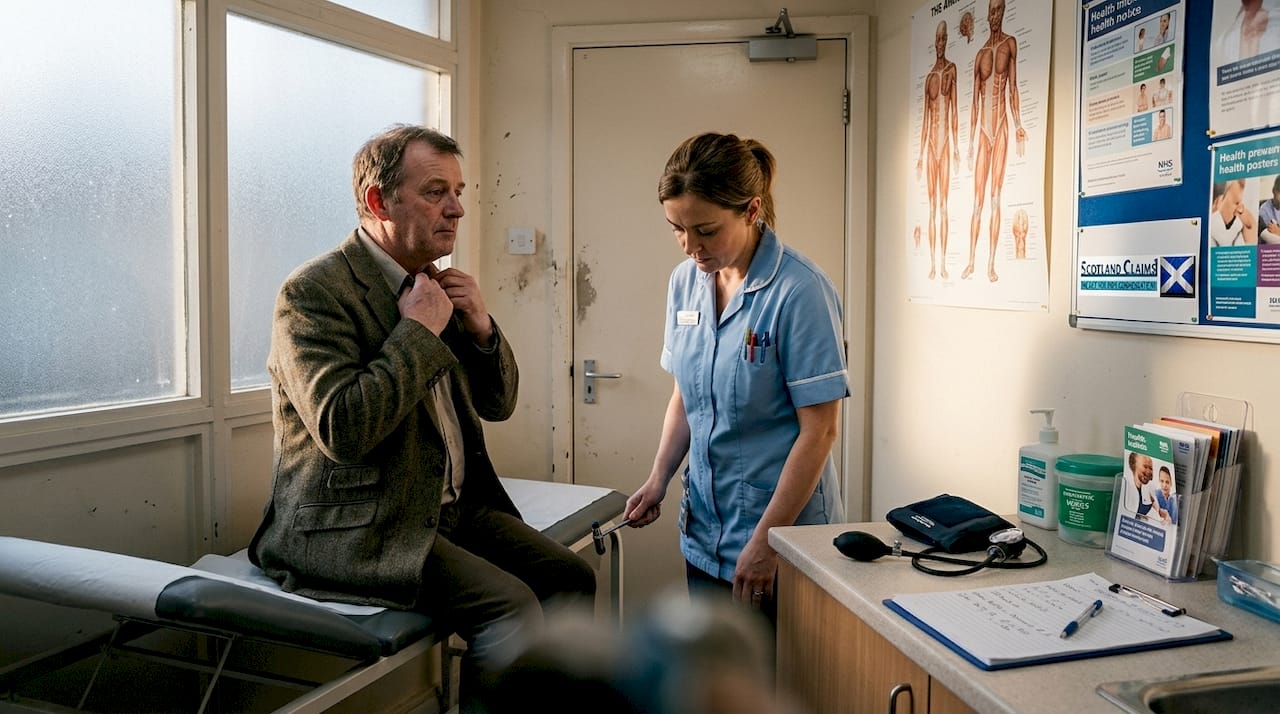
For back injuries specifically, compensation for back injuries in Scotland is assessed based on the degree of pain, how long it lasts, and whether surgery or ongoing treatment is required.
Knee, leg, and limb injuries: specifics and compensation
Knees and legs take a significant impact in many car accidents, particularly in frontal collisions where the dashboard or footwell causes direct trauma. These injuries are often underestimated but can require surgery and lengthy rehabilitation.
Typical lower limb injuries include:
- Sprains and strains from sudden twisting or impact
- Fractures to the tibia, fibula, or kneecap
- Ligament tears, including ACL or MCL damage
- Cartilage damage that may require keyhole surgery
- Long-term disability in severe cases, affecting mobility and employment
For minor knee injuries with a full recovery, compensation around £3,000 is a reasonable benchmark in Scotland. Where surgery is required or pain persists beyond six months, awards rise considerably. Specialist knee injury compensation advice is worth seeking early, as the medical evidence gathered in the first weeks is often the most influential.
Pro Tip: If your knee or leg injury requires physiotherapy, keep all appointment records and receipts. These costs can be recovered as part of your compensation claim alongside the injury award itself.
Comparing compensation: injury types and typical Scottish awards
A side-by-side comparison makes it easier to understand how different injuries translate into compensation. The table below uses Scottish guideline figures and real case benchmarks.
| Injury |
Severity level |
Typical Scottish award |
Key factor |
| Whiplash (under 6 months) |
Slight |
£2,000 to £5,000 |
Duration of symptoms |
| Whiplash (over 2 years) |
Moderate |
£8,000 to £15,000 |
Ongoing impact on life |
| Back sprain |
Slight to moderate |
£3,000 to £10,000 |
Recovery time |
| Serious spinal injury |
Severe |
£50,000 to £500,000+ |
Permanent disability |
| Minor knee injury |
Slight |
£2,500 to £5,000 |
Full recovery expected |
| Knee requiring surgery |
Moderate to serious |
£10,000 to £40,000 |
Surgical outcome |
| Concussion |
Slight to moderate |
£5,000 to £25,000 |
Cognitive effects |
| Traumatic brain injury |
Serious |
£30,000 to £300,000+ |
Long-term impairment |
As the table shows, honest and well-documented claims are essential. Low-velocity claims require realistic medical disclosure to succeed, and inflated claims risk being dismissed entirely. Use the compensation calculator to get a personalised estimate based on your specific injury and circumstances.
Additional factors affecting eligibility and compensation
Apart from injury type and severity, several other factors shape what you can claim and whether your claim succeeds in Scotland.
- Seek medical attention promptly. Delays in treatment create gaps in your medical record that the other side’s lawyers will exploit.
- Report the accident correctly. Always inform the police if there are injuries, and notify your insurer without admitting fault.
- Act within the legal deadline. Scotland’s prescription rules generally give you three years from the date of the accident to raise a claim. Miss this window and you lose your right entirely.
- Gather evidence early. Photographs, witness details, dashcam footage, and medical records all contribute to a stronger case.
“The court tests every claim for reliability, consistency, and the real-world impact of the injury on the claimant’s life.”
While road casualty figures are declining in Scotland, the importance of acting quickly after an accident has not changed. Understanding your injury rights in Scotland from the outset gives you the best possible foundation for a successful claim. If you are unsure where to start, it is always worth reading about why you should act quickly after your accident before taking any further steps.
How Scotland Claims can help with your injury case
If you have been injured in a car accident in Scotland, getting the right legal support early makes a real difference to your outcome. At Scotland Claims, we connect you with specialist injury lawyers in Scotland who understand the Scottish legal system and know how to build strong, evidence-based cases. Whether you are dealing with a back injury and need back injury claims specialists, or you have suffered knee damage and want to explore your options through our knee injury claims service, we offer a No Win No Fee arrangement so there is no financial risk to you. You keep 100% of your compensation if your case succeeds. Request a free callback today and let us assess your claim without any obligation.
Frequently asked questions
What qualifies as a car accident injury for a compensation claim in Scotland?
Any physical or psychological harm caused by a car accident can qualify, provided it is supported by medical evidence. Courts accept injury even when vehicle damage is minimal, so do not assume a minor collision rules out a valid claim.
How long after a car accident can I make an injury claim in Scotland?
You typically have three years from the date of the accident to file a claim under Scotland’s prescription rules. Missing this deadline means losing your right to compensation, so it is important to understand your personal injury rights as early as possible.
Are minor injuries like whiplash claimable in Scotland?
Yes, whiplash and other minor injuries are fully claimable in Scotland if supported by medical evidence. Whiplash from low-velocity accidents has been upheld in Scottish courts, and Scotland does not apply the restrictive caps used in England and Wales.
How much compensation might I get for a car accident injury?
The amount depends on injury severity, how long symptoms last, and the impact on your daily life. Minor whiplash may attract around £2,000 to £5,000, while serious injuries such as spinal damage or traumatic brain injury can result in awards of hundreds of thousands of pounds.
Recommended