Psychological injury claims in Scotland: 2026 guide
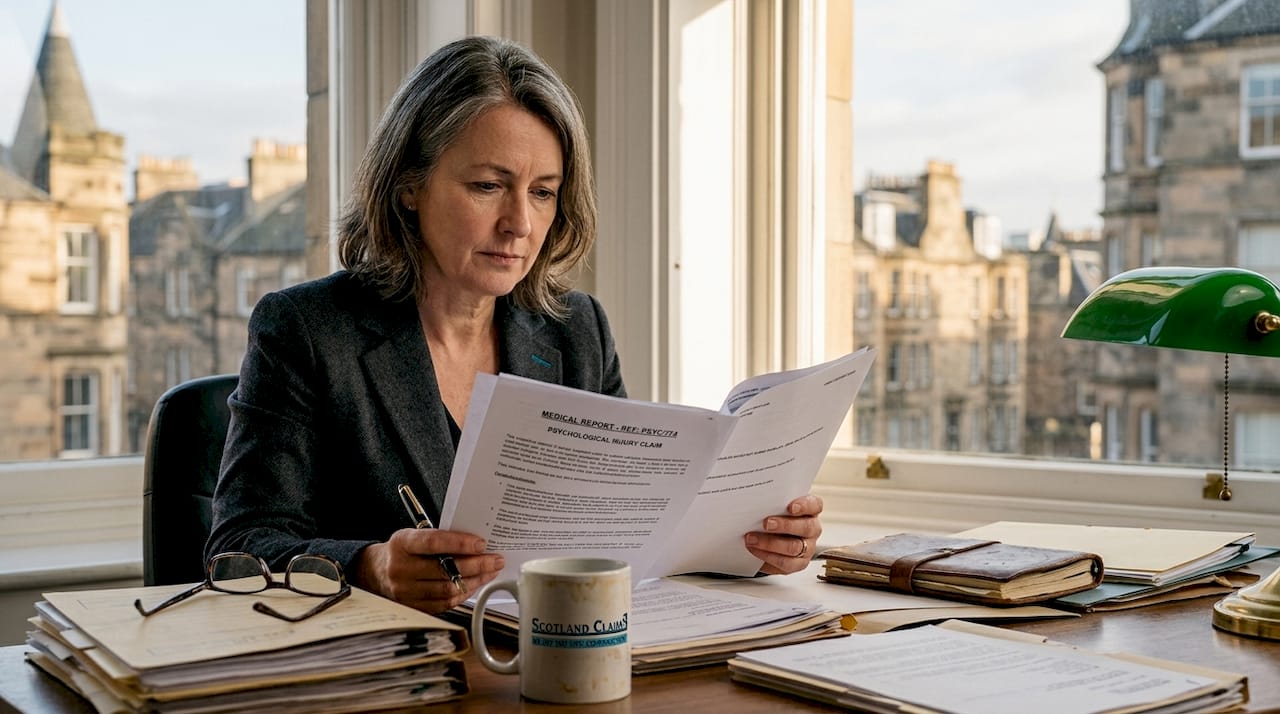
TL;DR:
- Psychological injuries are legally recognized and eligible for compensation in Scotland, equal to physical injuries.
- Claims require a diagnosed psychiatric condition, evidence of causation, duty breach, and a formal diagnosis.
- Compensation varies widely, from a few thousand to over eighty thousand pounds, based on severity and impact.
Many people in Scotland assume that only broken bones or visible wounds qualify for personal injury compensation. That assumption is wrong, and it could cost you dearly. Psychological injuries are legally recognised and compensable under Scots law, on equal footing with physical harm. Whether you have developed PTSD following a road accident, clinical depression after workplace abuse, or severe anxiety after witnessing a traumatic event, you may have a valid claim. This guide walks you through what qualifies, the legal criteria you must meet, how compensation is assessed, and what evidence you need to build a strong case.
Table of Contents
Key Takeaways
| Point |
Details |
| Diagnosis is essential |
A psychological injury claim in Scotland requires a medically diagnosed psychiatric condition. |
| Four legal elements |
Establishing duty, breach, causation, and a diagnosed injury is vital for a successful claim. |
| Strong evidence matters |
Detailed documentation and psychiatric reports significantly increase your chances of compensation. |
| Compensation varies widely |
Payouts range depending on severity, with severe PTSD awards exceeding £80,000 in real Scottish cases. |
| Seek expert advice |
Honest, early engagement with a specialist can prevent common pitfalls and strengthen your claim. |
What counts as a psychological injury in Scots law?
The term “psychological injury” covers a broad range of conditions, but not every form of distress qualifies for compensation. Under Scots law, you must have a formally diagnosed psychiatric condition to pursue a claim. Feeling stressed after an incident, or experiencing temporary upset, is not sufficient on its own. Courts require evidence of a recognised medical condition, confirmed by a qualified professional.
Conditions that typically qualify include:
- Post-traumatic stress disorder (PTSD)
- Clinical depression
- Generalised anxiety disorder
- Adjustment disorder
- Acute stress reaction (where it meets diagnostic thresholds)
- Phobias directly caused by an incident
A diagnosed psychiatric condition is the foundation of any successful psychological injury claim. Without that formal diagnosis, there is no claim, regardless of how genuine your suffering may be.
Scots law treats psychological injuries with the same seriousness as physical ones. This matters because many claimants underestimate their own injury rights in Scotland, assuming their mental health struggles are somehow less legitimate. They are not.
Psychological injuries can arise from a wide variety of circumstances. Common scenarios include road traffic accidents, workplace accidents or bullying, physical or sexual abuse, witnessing the serious injury or death of another person, and medical negligence. Each situation is different, but the legal route is the same: establish the diagnosis, then build the case.
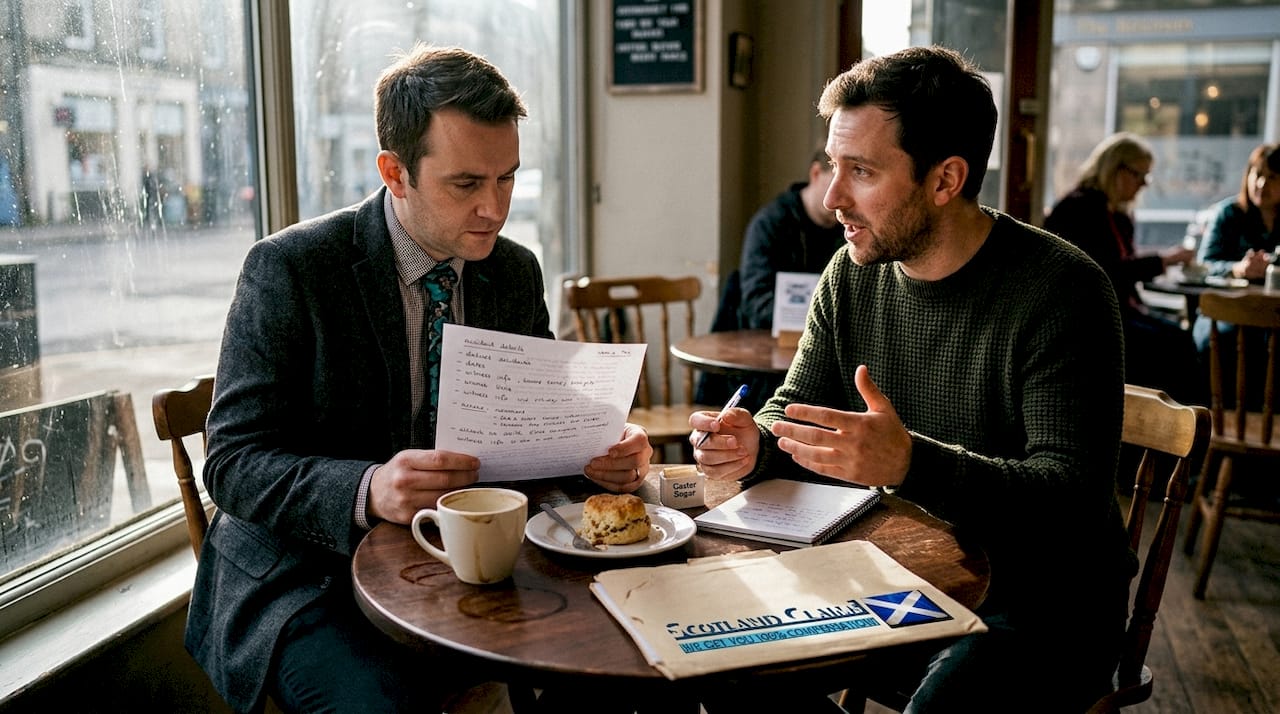
One important concept is the distinction between primary and secondary victims. A primary victim is directly involved in the incident. A secondary victim witnesses it happening to someone else. Scotland applies a slightly less rigid test than England in this area, but causation is still carefully scrutinised. If you were not directly involved, you will need to demonstrate a sufficiently close connection to the traumatic event. Checking your injury claim eligibility early with a specialist lawyer is the most reliable way to understand where you stand.
Essential legal elements of a psychological injury claim
Knowing what type of injury qualifies is only the starting point. To succeed in a Scottish court, your claim must satisfy four core legal elements.
- Duty of care – The person or organisation you are claiming against must have owed you a legal duty of care. An employer, a driver, a medical professional: all carry established duties.
- Breach of that duty – You must show they failed to meet the standard of care expected of them. This could be a failure to provide safe working conditions, or dangerous driving.
- Causation – The breach must have directly caused your psychological injury. This link is often the most contested element in psychological claims.
- Diagnosed condition – As covered above, a formal psychiatric diagnosis is essential.
To succeed, claimants must prove these elements on the balance of probabilities, meaning it is more likely than not that each element is true. This is a lower standard than criminal law, but it still demands solid, credible evidence.
| Element |
Physical injury claim |
Psychological injury claim |
| Duty of care |
Straightforward in most cases |
Same standard applies |
| Breach |
Often clear from incident facts |
May require expert testimony |
| Causation |
Usually direct and visible |
Harder to establish, expert reports vital |
| Diagnosed condition |
Medical records confirm injury |
Formal psychiatric diagnosis required |
The causation element deserves particular attention. With a broken leg, the link between a fall and the injury is obvious. With PTSD or depression, a defender may argue the condition was pre-existing or caused by something unrelated. This is why specialist medical evidence is so important. A detailed step-by-step claim guide can help you understand how to sequence your evidence gathering effectively.
Understanding the role of evidence from the outset shapes the entire trajectory of your claim.
Pro Tip: Start keeping a written record of your symptoms, mood, and daily limitations from the moment you suspect a psychological injury. Courts value contemporaneous notes far more than retrospective accounts.
How compensation for psychological injuries is assessed
Once eligibility is established, the next question is how much compensation you might receive. Scottish courts divide damages into two main categories.
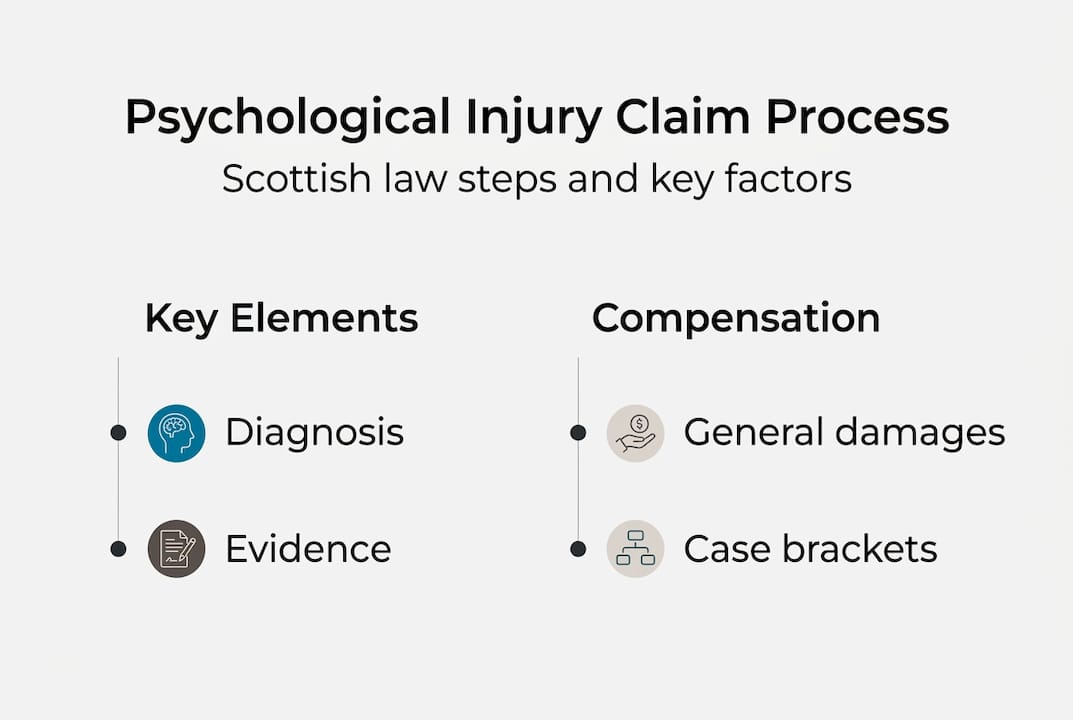
General damages cover pain, suffering, and what Scots law calls solatium. This reflects the personal impact of the injury on your quality of life. Special damages cover financial losses: lost earnings, the cost of therapy or psychiatric treatment, travel to appointments, and care provided by family members.
Awards follow guideline brackets, influenced by the Judicial College guidelines used across the UK. For psychological injuries, the range is wide depending on severity. PTSD awards up to £88,000 have been made in Scottish cases, with total payouts in complex abuse cases reaching far higher.
| Condition and severity |
Approximate award range |
| Mild anxiety or adjustment disorder |
£1,500 to £5,500 |
| Moderate PTSD or depression |
£5,500 to £19,000 |
| Moderately severe PTSD |
£19,000 to £54,000 |
| Severe PTSD with lasting impact |
£54,000 to £88,000+ |
Factors that influence the final award include:
- Severity and duration of the condition
- Impact on your ability to work
- Effect on personal relationships and daily activities
- Whether you have responded to treatment or face a long-term prognosis
- The quality and consistency of your medical evidence
One notable Scottish case saw a total payout of £627,000 in an abuse claim where psychological harm was central to the damages. This illustrates that injury valuation in Scotland is not a simple formula. It reflects the full human cost of what happened to you.
For a rough sense of what your specific circumstances might be worth, the compensation calculator at Scotland Claims provides a useful starting point. Exploring trauma recovery therapy options alongside your legal claim can also support your overall recovery.
Evidence: What strengthens or weakens your claim?
Evidence is where many psychological injury claims succeed or fail. The good news is that with the right approach, you can build a compelling case. The bad news is that common mistakes are easy to make.
Strong evidence typically includes:
- A formal medico-legal psychiatric report from an independent expert
- GP notes and referral letters dating back to shortly after the incident
- Medication records showing prescribed treatment for your condition
- A personal symptom diary recording daily impacts
- Witness statements from family, friends, or colleagues who observed changes in your behaviour
- Employment records showing absences, reduced hours, or disciplinary issues linked to your condition
Medico-legal psychiatric reports, GP notes, and proof of life impact are central to proving a psychological injury claim. Courts look for consistency between what you report to doctors and what you describe in legal proceedings.
Pitfalls to avoid include delayed medical attention (which creates doubt about the link between the incident and your condition), exaggerating symptoms (which can seriously damage your credibility), and failing to document the ongoing impact on your daily life. Interestingly, Scottish courts have shown willingness to allow even imperfect claims to proceed where the genuine core of the injury is credible. But this should never be relied upon as a safety net.
“The strength of your claim lies not just in what happened to you, but in how thoroughly and honestly you have recorded its impact on your life.”
Pro Tip: Keep a daily diary from the very start. Note your sleep, mood, ability to work, and social interactions. This contemporaneous record is far harder for a defender to challenge than memory alone.
Learning how to prepare injury evidence correctly and understanding evidence in Scottish claims can give your case a significant advantage. Therapeutic support, such as EMDR therapy for trauma, can also provide documented proof of your ongoing treatment journey.
A fresh perspective on psychological injury claims in Scotland
Here is something that does not get said enough: the biggest obstacle for many claimants is not the law. It is stigma. People downplay their own psychological suffering. They worry about being seen as weak, dramatic, or dishonest. This hesitation leads to delayed medical attention, poor documentation, and ultimately weaker claims.
Scots law has moved well beyond the idea that mental harm is somehow less real than physical harm. The courts have not. Your reluctance to seek help, however understandable, can look like a lack of severity to a defender’s legal team.
Being open with your GP and any treating psychiatrist is not just good for your health. It is essential for your legal case. Exaggeration risks dismissal, but honest, well-documented claims carry real weight. The claimants who succeed are those who are organised, consistent, and transparent from day one.
Understanding the importance of evidence early is what separates strong claims from failed ones. Do not let embarrassment or uncertainty cost you the compensation you genuinely deserve.
Ready to discuss or start your psychological injury claim?
If you believe you have suffered psychological harm as a result of someone else’s negligence, professional legal advice is the most important step you can take. Scotland Claims connects you with specialist Scottish injury lawyers who understand the specific challenges of psychological injury cases. You can calculate your possible compensation using the online tool to get an initial sense of your claim’s value. When you are ready, you can speak with Scottish injury lawyers who will assess your case in detail. With no win no fee help available, there is no financial risk in finding out where you stand. You keep 100% of any compensation awarded.
Frequently asked questions
What counts as a psychological injury for a compensation claim in Scotland?
A recognised psychological injury must be a diagnosable psychiatric condition such as PTSD, depression, or anxiety. A diagnosed psychiatric condition is required; temporary stress or upset alone does not qualify.
How long do I have to make a psychological injury claim in Scotland?
You normally have three years from the date of the incident or from when you first became aware of your condition to bring a claim. Acting promptly protects your legal position.
What proof do I need for a psychological injury claim?
You need medical evidence including psychiatric reports, GP notes, and a record of symptoms. Medico-legal reports and proof of life and work impact are particularly important to courts.
How much compensation can I get for psychological injury in Scotland?
Severe cases such as PTSD can attract awards of over £80,000, with PTSD awards reaching £88,000 in documented Scottish cases. Most claims are assessed individually based on severity and evidence.
Recommended