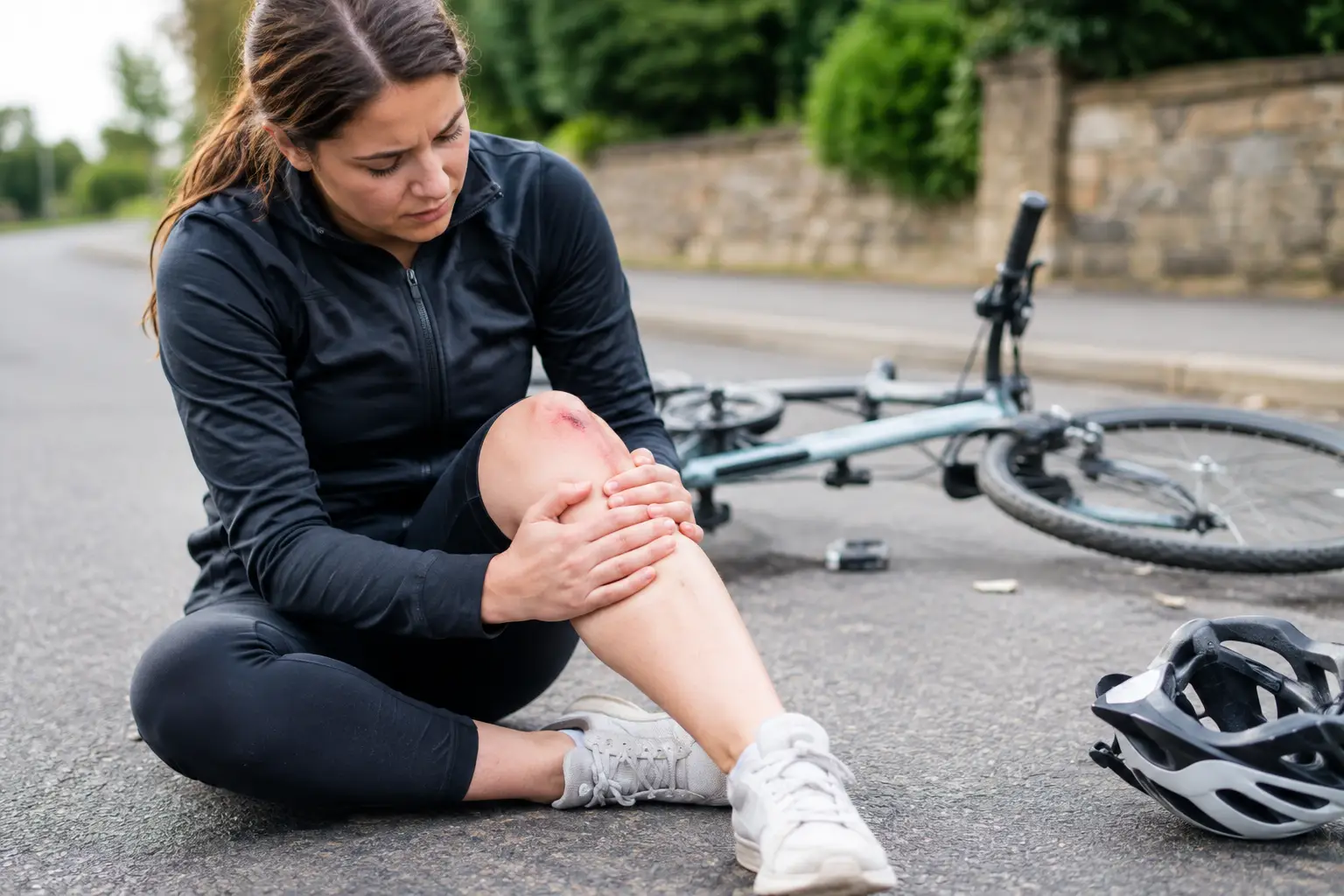
A driver turns across your path. A car door opens without warning. A pothole throws you from your bike. The immediate shock can be followed by pain, damaged equipment and time away from work. If somebody else caused the incident, cycling accident compensation can help put right the financial impact - and you should not have to surrender part of it in legal fees.
A claim is not about making a fuss. It is about being treated fairly after an accident that was not your fault. It can cover the injury itself, but also the practical losses that often arrive afterwards: wages, treatment, travel costs and the cost of repairing or replacing your bike and kit.
When can you claim cycling accident compensation?
You may have grounds to claim where another person or organisation owed you a duty of care, failed to take reasonable care, and that failure caused your injury or loss. On the road, this commonly means a driver has made an unsafe manoeuvre, failed to look properly, driven too close, pulled out at a junction or opened a door into your path.
Cyclists are also injured because of dangerous road conditions. A deep pothole, loose surface, defective drain cover or poorly managed roadworks may lead to a claim against the body responsible for maintaining the route. These cases can be more fact-specific than a collision with a vehicle. The condition needs to have been dangerous, and there may be questions about whether the responsible authority knew, or should have known, about it.
Fault does not always sit entirely with one person. An insurer may argue that you could have taken different action, such as using lights or avoiding a hazard. That does not automatically prevent a claim. It may affect the amount recovered if you were partly responsible, which is why early evidence and a clear account of what happened matter so much.
What your claim could include
The value of cycling accident compensation depends on the severity of your injuries, how long recovery takes and the losses you can prove. There is no honest fixed figure before the details have been assessed. A minor soft-tissue injury that resolves quickly will be valued differently from a fracture, serious head injury or injury that affects your ability to work or enjoy everyday life.
Compensation is generally split into two parts. The first recognises pain, suffering and the effect the injury has had on your life. The second covers financial losses caused by the accident.
That can include loss of earnings, including future income where an injury limits your work; private treatment, physiotherapy or rehabilitation costs where appropriate; prescription charges and travel expenses; care or assistance from family members; and the cost of damaged clothing, a helmet, lights, mobile phone, bike computer and bicycle.
Keep receipts, quotations and proof of purchase where possible. High-value bicycles and specialist components can be expensive, and vague estimates are harder to recover than clearly evidenced losses. Photograph the damage before repairs or disposal. If the bike has been inspected, retain the mechanic's report as well as the repair estimate.
Evidence can make the difference
You do not need to build a legal case from your hospital bed, but taking a few straightforward steps can protect your position. If you can do so safely, record the scene and exchange details with the driver. If you cannot, ask someone you trust to help as soon as possible.
The most useful evidence often includes:
- photographs of the road, vehicle positions, damage, injuries and any visible hazard
- the driver’s name, registration number, insurer and contact details
- contact details for independent witnesses
- CCTV, dash-cam or helmet-cam footage
- medical records, receipts and documents showing lost earnings
Report a road collision to the police where required or appropriate, particularly if the driver fails to stop, appears uninsured or you have been seriously injured. A police report is not a requirement for every claim, but it can be valuable evidence.
Do not assume footage will remain available. Many cameras overwrite recordings within days or weeks. A solicitor can take steps to request relevant material, but acting promptly gives you the best chance of securing it.
See a medical professional and follow the advice given
Some cycling injuries are obvious immediately. Others, particularly neck, back, shoulder and head injuries, can become clearer after the adrenaline has worn off. Seek medical attention, explain how the accident happened and follow the treatment advice you receive.
This is first and foremost about your health. It also creates an independent record of your symptoms, diagnosis and recovery. Be open about any previous injuries too. An earlier condition does not necessarily stop you claiming, but the claim must reflect what the accident has actually caused or worsened.
How a cycling claim usually progresses
A solicitor will first assess the circumstances of the accident, your injuries and the available evidence. If the prospects are sound, they can notify the at-fault party or insurer, gather medical evidence, calculate losses and negotiate for a settlement that reflects the full impact on you.
Most personal injury claims settle without a court hearing. However, a settlement should not be rushed simply because an insurer makes an early offer. Until the medical position is understood, it can be difficult to know whether an offer properly accounts for continuing pain, treatment needs or time away from work.
The process is not identical in every case. A straightforward collision where liability is accepted may move more quickly than a disputed claim involving road defects, missing evidence or several vehicles. What should remain straightforward is your access to advice: you should know what is happening, what information is needed and why it matters.
The deadline for a cycling accident claim in Scotland
In many cases, you have three years from the date of the accident to raise a personal injury claim in Scotland. There are exceptions, including situations involving children or where an injury was not immediately apparent. Waiting is still risky.
The longer you leave it, the harder it can be to trace witnesses, obtain footage and document the condition of a road or vehicle. Starting a free, no-obligation assessment early does not force you into a claim. It gives you the chance to understand your options while the evidence is still there.
Keep the compensation that is yours
After an accident, the last thing you need is uncertainty about legal costs. No Win No Fee arrangements are designed to remove the need for upfront payment, but the detail matters. Some firms deduct a percentage of compensation as a success fee. That can mean losing a substantial part of the money intended to help you recover.
At Scotland Claims, eligible clients keep 100% of their compensation. Legal costs are recovered from the at-fault party’s insurer rather than taken from your settlement. Before proceeding, you should always receive clear information about funding and any potential outlays, so there are no surprises.
You have enough to deal with after being knocked from your bike. Preserve what evidence you can, get the medical help you need and ask for advice before an insurer persuades you to settle for less than your injury and losses are worth.