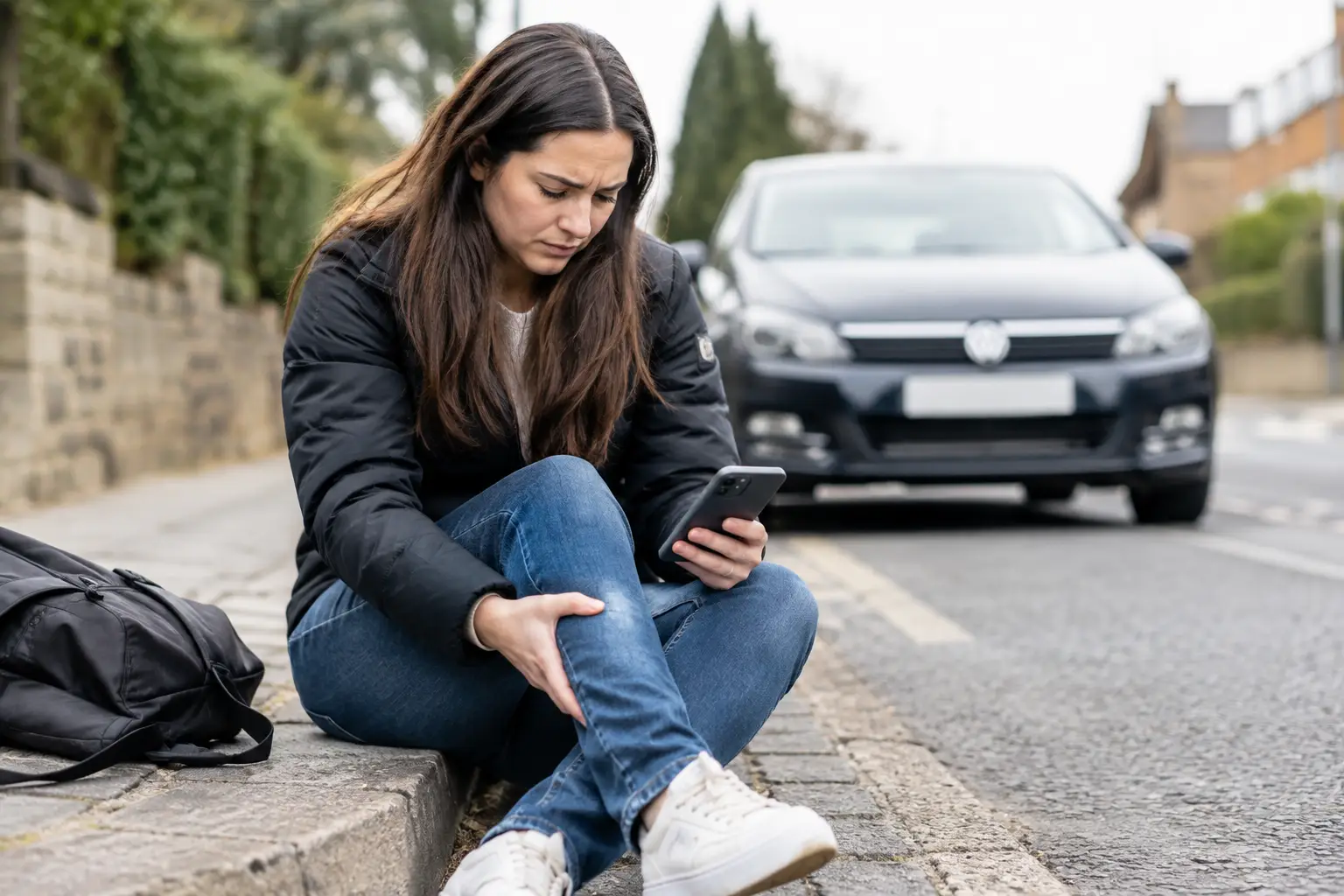
A driver only has to look away for a second. A car can turn across a crossing, reverse from a driveway or pass too closely at a junction. When you are on foot, there is no seatbelt or vehicle bodywork between you and the impact.
If you were hurt because a driver failed to take proper care, you may be able to make a claim after a pedestrian accident. Compensation can cover the injury itself, lost earnings and the practical costs the accident has forced on you. The key is acting before evidence disappears and getting clear advice on where you stand.
Can you claim after a pedestrian accident?
You may have a valid claim if someone else was wholly or partly responsible for the collision. In most cases, this means showing that a driver did not meet the standard of care expected on the road.
That could include failing to stop at a crossing, speeding, driving while distracted, pulling out of a side road without looking properly, turning without checking for pedestrians, or reversing without adequate observation. Drivers have a particular duty to watch for people crossing roads, walking near junctions and using marked crossings.
You do not need to have been on a zebra crossing for a claim to be possible. Every case depends on the facts. A pedestrian may be crossing between parked cars, walking along the roadside or stepping into the road when a collision occurs. The question is whether the driver could and should have avoided the impact.
Sometimes insurers argue that the pedestrian was partly at fault, perhaps because they crossed where visibility was poor or were not paying attention. That does not automatically end a claim. It may mean that responsibility is shared and compensation is reduced by an agreed percentage. A solicitor can assess the evidence and challenge an unfair version of events.
What to do after a pedestrian accident
Your health comes first. Call 999 if anyone has serious injuries, and seek medical attention even when you think the pain will pass. Adrenaline can hide symptoms, particularly after injuries to the head, neck, back, knees and soft tissues. A medical record also provides an early, independent account of what happened.
If you are able to do so safely, take the driver’s name, registration number, contact details and insurer details. Ask witnesses for their names and phone numbers. A witness who saw the vehicle approach the crossing or junction can make a major difference if the driver later disputes fault.
Photographs are valuable. Capture the vehicle, the road layout, traffic lights or crossing markings, skid marks, damage to clothing, weather conditions and any injuries visible at the time. Keep the clothes and shoes you were wearing if they were damaged. Do not repair or throw away evidence until you have had legal advice.
Report the collision to the police, especially where there is injury, a driver fails to stop, or you believe dangerous driving was involved. Ask for the incident or reference number. If nearby shops, homes, buses or public buildings may have CCTV, make a note immediately. Footage is often overwritten within days or weeks.
You should also keep a simple record of how the injury affects daily life. Note missed work, cancelled plans, sleep problems, pain levels, help needed at home and journeys you can no longer make comfortably. These details can help show the real impact of the accident, not just the diagnosis on a medical report.
Evidence that can strengthen your pedestrian accident claim
The strongest cases are built on evidence collected early. Your solicitor can obtain further records, but the information you preserve in the first days can be difficult to replace later.
Useful evidence includes medical records, police reports, witness statements, photographs, video footage, vehicle details and receipts for accident-related spending. This may include prescription charges, travel to appointments, physiotherapy, parking, damaged belongings and care provided by family members.
Evidence of lost income matters too. Keep payslips from before and after the accident, fit notes, correspondence with your employer and proof of any overtime, bonuses or self-employed work you lost. If your injuries affect your future ability to work, the claim may also need expert evidence about your employment prospects and care needs.
You should avoid posting detailed comments about the accident or your recovery on social media while the claim is ongoing. Insurers may look for posts they can take out of context. A photograph of you at a family event, for example, does not prove you were not in pain, but it may still be used to raise questions.
What compensation could you receive?
Compensation is not a fixed payment for being hit by a vehicle. It is calculated around the seriousness of your injuries, how long recovery takes and the financial consequences for you.
A pedestrian accident claim can include compensation for pain, suffering and loss of amenity. It can also include past and future loss of earnings, treatment and rehabilitation costs, travel expenses, care and assistance, damaged personal items and other reasonable losses caused by the accident.
A minor injury that resolves within weeks will be valued differently from a fracture, a serious knee injury, a head injury or a condition that limits your ability to work. There is no honest way to promise a figure before the medical evidence and financial losses have been reviewed. What matters is making sure every part of your loss is identified and supported.
What if the driver was uninsured or drove away?
A driver leaving the scene does not necessarily mean you are left without options. The registration number, witness accounts, CCTV and police enquiries may identify the vehicle and its insurer.
Where the driver cannot be traced or is uninsured, there may still be a route to compensation through the relevant motor insurance arrangements. These cases can involve additional rules and paperwork, which is one reason to seek advice as early as possible. Do not assume there is no claim simply because the driver did not stop.
Time limits for claiming in Scotland
In Scotland, there is usually a three-year time limit for starting a personal injury claim. This commonly runs from the date of the accident, although there can be exceptions depending on the circumstances.
Three years may sound generous, but waiting is rarely in your interests. CCTV can be deleted, witnesses can become hard to trace and memories fade. Starting with a free assessment gives you a chance to understand your position without committing to a case before you are ready.
If the injured person is under 16, different rules can apply. It is also worth seeking advice promptly if you were not immediately aware of the full extent of an injury. Deadlines can be complex, and leaving matters until the final months risks putting unnecessary pressure on your claim.
Why the fee arrangement matters
After an accident, you should not have to hand over a share of your compensation simply for asking a solicitor to fight your corner. Some firms take up to 20% of a client’s award as a success fee. That can be a substantial amount of money from a settlement intended to help you recover and move forward.
With Scotland Claims, eligible clients can pursue a claim on a No Win No Fee basis and keep 100% of the compensation awarded. Legal costs are recovered from the at-fault party’s insurer rather than deducted from your settlement. Your claim will be assessed by solicitors regulated by the Law Society of Scotland, with the process explained in plain English from the start.
Start with the facts, not the insurer’s first offer
An insurer may contact you quickly and offer a settlement before the full effect of your injuries is known. Accepting early can feel tempting when bills are mounting, but it may close your claim for good. Once settled, you cannot usually return for more compensation if symptoms last longer than expected.
Get the accident assessed before making a decision. A clear account of what happened, early medical evidence and the right legal support can protect both your claim and the compensation that is yours. The sooner you take that first step, the easier it is to preserve the proof you need.