
Table of Contents
Last Updated: August 4, 2026
10 Best Personal Injury Solicitors in Glasgow: Quick Comparison
Finding the right solicitor after a serious injury can feel overwhelming. When you're dealing with pain, medical appointments, and lost income, the last thing you need is a complicated legal process. This guide from Scotland Claims Injury Lawyers covers personal injury solicitors in Glasgow to help you navigate compensation claims with confidence.
The firms listed below specialise in accident claims, workplace injuries, medical negligence, and road traffic accidents. Each has been evaluated based on accreditation status, track record, funding options, and client feedback.
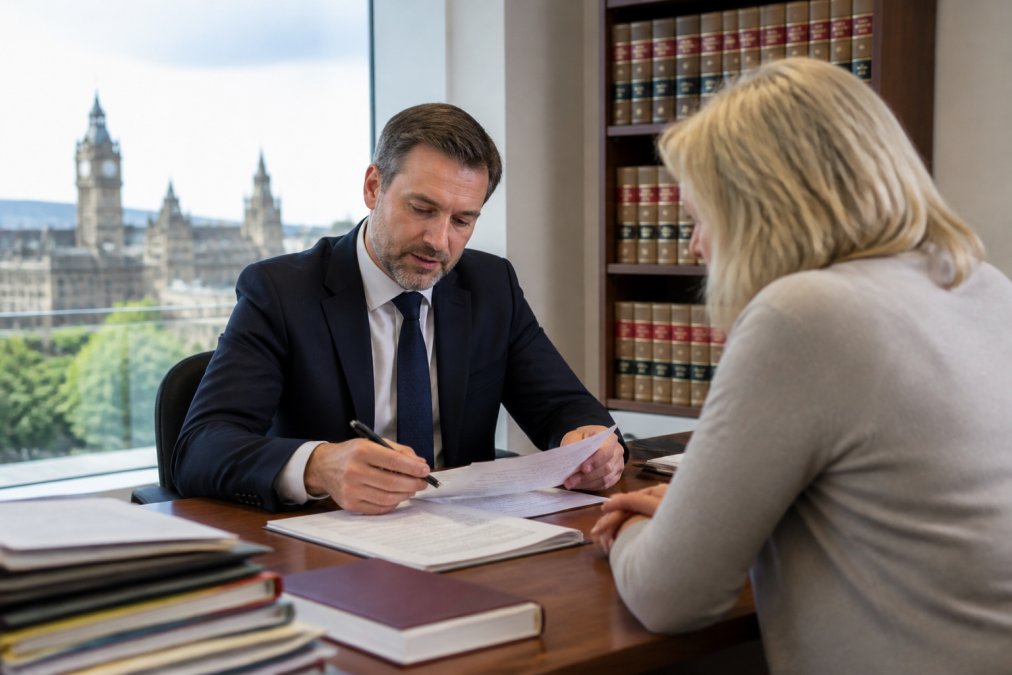 Professional solicitor and client reviewing legal documents at a desk in a modern Glasgow law office, with case files and notes visible, natural window lighting
| Solicitor Firm |
Specialisation |
Funding Model |
Best For |
| Scotland Claims Injury Lawyers |
All personal injury types |
No Win No Fee, 100% compensation |
Claimants wanting maximum payout |
| Digby Brown |
Serious & catastrophic injuries |
Compensate funding model |
Complex, high-value claims |
| Dallas McMillan |
Full spectrum personal injury |
No Win No Fee |
Law Society accredited cases |
| Irwin Mitchell |
Holistic injury support |
Rehabilitation & welfare services |
Comprehensive support needs |
| Livingstone Brown |
Medical negligence & injury |
Flexible funding options |
Medical error claims |
| Khan Law |
Serious injury & medical negligence |
Transparent No Win No Fee |
Straightforward serious claims |
| Balfour+Manson |
Accident claims across types |
Contact for details |
Established track record |
| Miller Samuel Hill Brown |
Routine to moderate claims |
100% compensation up to £20,000 |
Claims under £20,000 |
How We Evaluated These Firms
We examined Law Society of Scotland accreditation, specialist recognition from APIL (Association of Personal Injury Lawyers), and real client feedback. A solicitor holding Law Society of Scotland specialist status has demonstrated expertise, continuing professional development, and adherence to strict ethical standards.
We assessed how each firm approaches claims. Some specialise in high-value, catastrophic injury cases; others excel at handling straightforward claims efficiently. Funding transparency matters enormously. Many solicitors charge a success fee (typically 20% of compensation) under No Win No Fee. Scotland Claims Injury Lawyers stands apart by guaranteeing clients keep 100% of their compensation, no deductions for legal fees.
Pro Tip
Ask any solicitor about their success fee structure upfront. A 10% difference on a £5,000 claim equals £500 in your pocket. Get this in writing before you instruct them.
1. Scotland Claims Injury Lawyers: 100% Compensation Guarantee
Scotland Claims Injury Lawyers leads because you keep every penny of your compensation. There are no success fees, no hidden charges, and no percentage deductions from your settlement. This model directly addresses the concern many claimants have about legal costs eroding their compensation.
The firm specialises in road traffic accidents, workplace injuries, slip and trip claims, and other personal injury scenarios. Their online platform includes a compensation calculator that provides realistic estimates based on injury type and severity. Their No Win No Fee arrangement means you pay nothing if the claim fails.
Key Takeaway
Scotland Claims Injury Lawyers' 100% compensation guarantee means a £10,000 settlement stays £10,000 in your account. Most competitors charge 20%, reducing that to £8,000.
2. Digby Brown: Scotland's Largest Personal Injury Firm
Digby Brown operates as Scotland's largest personal injury law firm, with seven offices across the country and over 250 staff dedicated to injury claims. Their Glasgow presence offers access to specialist teams for complex cases. The firm handles everything from routine road traffic accidents to catastrophic brain and spinal injuries.
Their Compensate funding model covers all case costs from the outset, removing upfront financial burden from claimants. For serious injury cases requiring multiple expert opinions, this approach strengthens your claim. They maintain dedicated welfare rights teams to help serious injury survivors access financial assistance beyond compensation.
Digby Brown's recognition as Band 1 for Personal Injury Law in Scotland by Chambers Guide reflects consistent excellence.
 Digby Brown | Experts in Personal Injury Law Scotland
3. Dallas McMillan: Law Society Accredited Specialists
Dallas McMillan operates from Glasgow city centre with a department head holding Law Society of Scotland accredited specialist status in personal injury claims. This accreditation signifies that the firm meets rigorous standards for expertise, client care, and continuing professional development.
The firm handles the full spectrum of personal injury claims, from minor fractures to life-altering accidents. Their experience spans head and brain injuries, spinal injuries, and occupational diseases. Dallas McMillan offers No Win No Fee services, removing upfront cost barriers. Their local Glasgow presence provides convenient access for consultations.
Watch Out
Never instruct a solicitor without understanding their success fee structure. Get the percentage in writing before you sign any agreement.
4. Irwin Mitchell: Holistic Injury Support Beyond Legal Representation
Irwin Mitchell brings national resources to Glasgow and Edinburgh, offering a holistic approach that extends beyond pure legal representation. The firm employs rehabilitation coordinators and welfare benefits advisors who work alongside your solicitor. For serious injury recovery, this integrated support can address needs that legal compensation alone cannot solve.
Their lawyers hold Law Society of Scotland and APIL accreditation. For someone recovering from serious injury, access to rehabilitation services can be transformative, including physiotherapy, psychological support, or vocational rehabilitation. The firm offers a free initial enquiry service.
5. Livingstone Brown: Medical Negligence and Personal Injury Expertise
Livingstone Brown is a Glasgow-based firm offering broad negligence expertise spanning both personal injury and medical negligence claims. This dual specialisation is valuable because medical negligence claims often overlap with personal injury law. Their AVMA (Action against Medical Accidents) membership and APIL affiliation confirm standing in these complex areas.
The firm arranges No Win No Fee funding "where appropriate," assessing the best funding model for each individual claim. Livingstone Brown offers a free initial enquiry service, removing barriers to getting advice.
6. Khan Law: Transparent No Win No Fee for Serious Injuries
Khan Law specialises in serious injury and medical negligence claims, operating on a transparent No Win No Fee basis with explicit commitment to no hidden fees. The firm handles road traffic accidents, medical negligence, and workplace injuries, the most common claim types in Glasgow.
The firm's emphasis on making the claims process "straightforward and stress-free" reflects understanding that injured people are already managing enough without legal complications. Khan Law offers a free initial consultation to assess your claim's viability.
7. Balfour+Manson: Client-Centred Personal Injury Representation
Balfour+Manson is a Scottish law firm with experienced personal injury and medical negligence lawyers in Glasgow. Their client-centred approach prioritises your needs and well-being throughout the claims process. The firm handles many accident claims, including road traffic accidents, workplace accidents, and slip and trip incidents.
The firm offers a free initial consultation, allowing you to discuss your situation and understand your options without cost.
 Glasgow Helicopter Tragedy | Balfour and Manson
8. Miller Samuel Hill Brown: 100% Compensation on Claims to £20,000
Miller Samuel Hill Brown offers a distinctive proposition: for claims valued up to £20,000, clients receive 100% of their compensation with no legal fee deductions. This guarantee applies specifically to smaller claims, which represent a significant portion of personal injury cases in Glasgow. For slip and trip claims, minor workplace injuries, and smaller road traffic accident claims, this structure is highly advantageous.
The firm operates on a No Win No Fee basis across all claim values, meaning you pay nothing if the claim fails. Miller Samuel Hill Brown handles various personal injury claims, including road traffic accidents and workplace injuries. The firm's free initial consultation allows you to understand your claim's potential value.
Key Takeaway
For a £15,000 claim, Miller Samuel Hill Brown's 100% guarantee means you keep £15,000. A competitor charging 20% success fee would reduce that to £12,000.
How to Choose a Personal Injury Lawyer in Glasgow
Start by identifying your claim type and estimated value, as this shapes which solicitors are best positioned to help. Check accreditation status first. Law Society of Scotland accreditation and APIL membership indicate that solicitors meet professional standards. You can verify accreditation through the Law Society of Scotland's website.
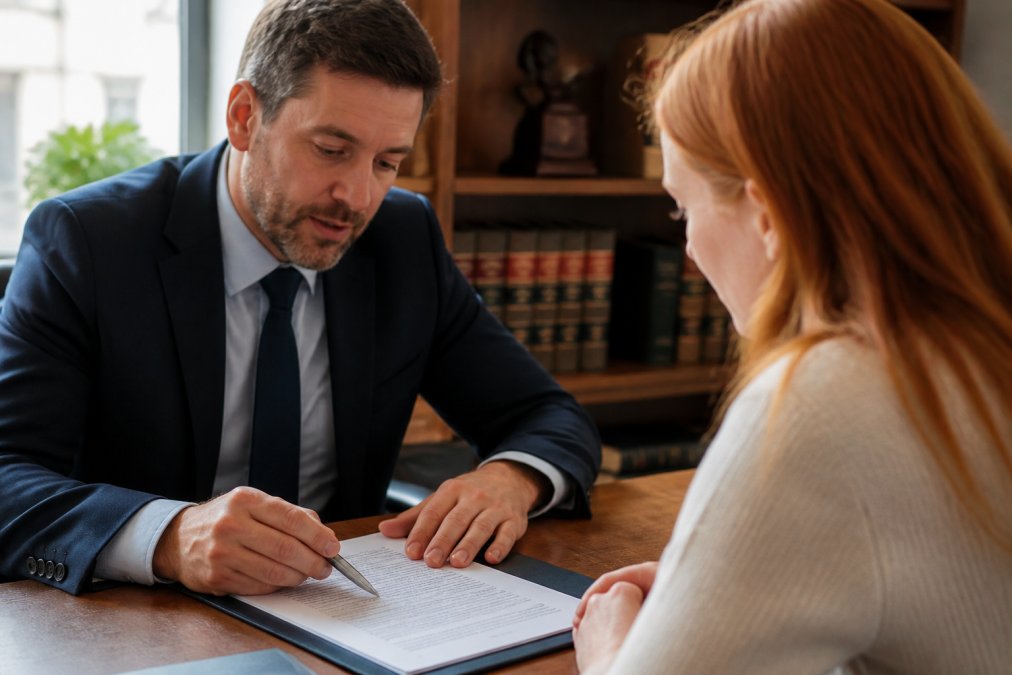 Close-up of hands reviewing a legal document and consultation checklist with a pen on a desk, representing the preparation process for selecting a solicitor
Understand the funding structure clearly before instructing any solicitor. Ask specifically about success fees and whether they're charged if the claim fails. Request this information in writing. Consider communication style and accessibility. Will you have a named solicitor or be passed between team members? How quickly do they respond to emails and calls?
Evaluate the firm's experience with claims similar to yours. Ask about their success rate with your specific claim type and request examples of similar cases they've handled.
Pro Tip
During your initial consultation, ask: "What's the realistic value of my claim?" and "How long will this take?" Good solicitors give honest answers, not overly optimistic ones.
No Win No Fee Solicitors in Glasgow: What You Need to Know
The No Win No Fee arrangement has transformed access to legal representation for injured people. Under this model, you pay nothing if your claim fails. However, understanding how No Win No Fee actually works is essential before committing to representation.
When a solicitor works on No Win No Fee, they're typically funding the case costs and expert reports upfront. If the claim fails, these costs are lost. This incentivises solicitors to assess claims carefully and pursue only viable cases.
The critical distinction is between No Win No Fee and what you actually receive if you win. Most solicitors charge a success fee, typically 20% of compensation, under the No Win No Fee model. Scotland Claims Injury Lawyers differs by guaranteeing 100% compensation with no success fee deductions. Some firms offer No Win No Fee for certain claim types but not others. Always clarify whether your specific claim type qualifies for No Win No Fee before instructing a solicitor.
| Funding Model |
You Pay Upfront |
You Pay If You Lose |
Success Fee If You Win |
| No Win No Fee (standard) |
No |
No |
Typically 20% |
| No Win No Fee (Scotland Claims) |
No |
No |
0% (100% compensation) |
| Legal Expenses Insurance |
No |
No |
Covered by policy |
| Private hourly rate |
Yes |
Yes |
N/A |
Personal Injury Claims Process Timeline: What to Expect
Understanding the claims process timeline helps you manage expectations and plan accordingly. The first phase involves gathering evidence and obtaining medical reports, typically taking 8-12 weeks from the date you instruct a solicitor. Your solicitor will request medical records, arrange expert assessments if needed, and collect witness statements.
Once evidence is gathered, your solicitor sends a formal claim letter to the defendant's insurance company. The insurance company typically has 30 days to respond. Many claims settle during this exchange of correspondence without proceeding to court.
If the insurance company disputes liability or the compensation amount, the case progresses toward court proceedings. Pre-trial steps include exchanging further evidence and attempting negotiated settlement. This phase can take 6-12 months depending on case complexity. Court proceedings, if necessary, typically occur 12-24 months after the initial claim. However, most personal injury claims settle before reaching trial.
Watch Out
Timeline estimates assume the defendant's insurance company cooperates and doesn't dispute liability. If they contest your claim vigorously, the process takes longer.
Compensation Calculation: What Factors Determine Your Award
Compensation comprises two distinct elements: special damages and general damages. Special damages cover quantifiable financial losses: medical expenses, lost wages, rehabilitation costs, and travel to appointments. If you've missed three months of work earning £2,000 monthly, that's £6,000 in special damages.
General damages compensate for pain, suffering, and loss of amenity, the non-financial impact of your injury. A broken arm that heals completely might attract £2,000-4,000 in general damages. A spinal injury causing chronic pain might warrant £15,000-30,000 or more. Solicitors use guideline figures published by the Judicial College to assess reasonable compensation for different injury types and severity levels.
Factors affecting general damages include age at injury, severity and permanence of injury, impact on work and activities, psychological effects, and whether recovery is ongoing or complete. Lost future earnings represent a significant component for serious injuries.
Why Use a Specialist Personal Injury Solicitor
Specialist personal injury solicitors bring expertise that generalist solicitors lack. They understand the subtle factors that influence compensation amounts, know how insurance companies negotiate, and can identify weak points in the defendant's position. This expertise translates into higher compensation for claimants.
Insurance companies employ experienced claims handlers trained to minimise payouts. A specialist solicitor recognises these tactics and counters them effectively with evidence and legal argument. Specialist solicitors maintain relationships with medical experts, consultants, physiotherapists, and psychologists who provide evidence supporting your claim.
Knowledge of local court procedures and judges matters in Glasgow. Specialist solicitors understand how local courts operate and what evidence judges find persuasive.
Common Mistakes When Making a Personal Injury Claim
Delaying instruction of a solicitor is the most significant mistake. Evidence degrades over time, witness memories fade, CCTV footage is deleted. Contact a solicitor within weeks of your injury, not months or years later.
Posting about your injury on social media creates problems. Insurance companies monitor claimants' social media, looking for posts suggesting you're recovering better than claimed. Avoid social media discussion of your injury entirely.
Exaggerating your injury or symptoms damages credibility. If medical evidence shows your injury is less serious than claimed, insurance companies will dispute your entire case. Stick to facts and let medical evidence speak.
Accepting the first settlement offer without negotiation often results in underpayment. Insurance companies typically open negotiations with low offers, expecting you to negotiate. A solicitor's experience in negotiation means they'll challenge low offers and secure higher settlements.
Instructing a solicitor without understanding their fee structure leads to unpleasant surprises. Before signing any agreement, ensure you understand exactly what you'll pay if successful.
Medical Negligence vs Personal Injury: Key Differences
Medical negligence claims are a subset of personal injury law, but they involve distinct legal principles. Personal injury claims arise from accidents or negligence in non-medical contexts: road traffic accidents, workplace injuries, slip and trip incidents.
Medical negligence claims allege that a healthcare professional failed to meet the standard of care expected in their field. Not every bad outcome represents negligence. A surgical complication that occurs despite the surgeon following proper procedure isn't negligence, even if the outcome is poor.
Medical negligence requires proving four elements: the healthcare professional owed you a duty of care, they breached that duty, this breach caused your injury, and you suffered quantifiable loss. Expert evidence is essential in medical negligence claims. Solicitors specialising in medical negligence bring specific expertise about healthcare standards and expert evidence requirements.
Time Limits for Making a Personal Injury Claim in Scotland
Understanding limitation periods is crucial because missing the deadline can destroy your claim entirely. In Scotland, the time limit for bringing a personal injury claim is three years from the date of injury. This applies to most personal injury claims: road traffic accidents, workplace injuries, slip and trip incidents, and medical negligence.
The three-year period is absolute in most circumstances. If you suffer an injury on 1st January 2024, you must instruct a solicitor and have your claim formally served on the defendant before 1st January 2027. Missing this deadline means your claim is statute-barred, legally unenforceable regardless of its merits.
Exceptions exist for specific circumstances. If you were under 16 years old at the time of injury, the three-year period runs from your 16th birthday, not from the injury date. For medical negligence specifically, the three-year period runs from when you knew (or reasonably should have known) that negligence caused your injury.
Watch Out
The three-year limitation period is strict. Missing it by even one day destroys your claim permanently. If you're approaching the three-year mark, contact a solicitor immediately.
Rehabilitation Services and Post-Claim Support
Recovery from serious injury extends beyond medical treatment. Rehabilitation services help you regain function, return to work, and adapt to permanent changes. Some solicitors, like Irwin Mitchell, integrate rehabilitation support into their legal service.
Physiotherapy is the most common rehabilitation service. After injury, targeted physiotherapy restores strength, mobility, and function. Psychological support addresses mental health impacts of serious injury. Trauma from accidents, anxiety about recovery, and depression from disability are common but often overlooked.
Vocational rehabilitation helps injured people return to work. If your injury prevents returning to your previous job, a vocational rehabilitation specialist assesses your capabilities and identifies suitable alternative work. Occupational therapy addresses practical adaptations to your home and daily life. Solicitors experienced in serious injury claims understand which rehabilitation services are appropriate and how to cost them accurately.
Checklist for Your Initial Consultation with a Personal Injury Solicitor
Preparing for your initial consultation maximises the value of this conversation and helps you assess whether the solicitor is right for your claim.
Before the consultation:
- Gather medical records and appointment letters
- Collect evidence of lost income (payslips, employment contract)
- Document expenses related to your injury (receipts, invoices)
- Write a timeline of your injury and recovery
- Note any witnesses to the accident
- Prepare a list of questions
During the consultation:
- Explain your injury and how it happened clearly
- Be honest about your symptoms and limitations
- Ask about the solicitor's experience with claims like yours
- Understand the fee structure in detail
- Ask for a realistic compensation estimate
- Clarify the likely timeline from now to settlement
- Discuss what happens if you disagree with the solicitor's advice
- Ask about communication frequency
After the consultation:
- Request fee terms in writing before instructing the solicitor
- Check the solicitor's accreditation status
- Take time to consider before committing
Local Expertise: Why Glasgow-Based Solicitors Matter
Choosing a Glasgow-based solicitor offers advantages beyond convenience. Local solicitors understand the specific legal landscape, court procedures, and insurance company practices in the area. This expertise translates into better outcomes for claimants.
Glasgow solicitors are familiar with local court procedures and the judges who preside over personal injury cases. They understand what evidence particular judges find persuasive and how to present cases effectively. Insurance companies operating in Glasgow develop relationships with local solicitors. Established firms with strong reputations can negotiate more effectively because insurance companies know the firm will pursue cases vigorously if settlement isn't reasonable.
Many claimants prefer working with local solicitors because it enables face-to-face meetings and easier communication. For someone recovering from injury, this accessibility matters.
Conclusion
Selecting personal injury solicitors in Glasgow requires evaluating accreditation, fee structures, specialisation, and communication style. The firms covered here represent options across different claim types and circumstances. The best solicitor for your claim depends on your specific injury, claim value, and support needs.
Scotland Claims Injury Lawyers stands out for their 100% compensation guarantee. You keep every penny of your settlement with no success fee deductions. Combined with their No Win No Fee arrangement and transparent approach, this makes them an excellent choice for claimants concerned about legal costs eroding their compensation.
Start by contacting 2-3 solicitors for initial consultations. These conversations are free and help you understand your claim's potential value and which solicitor feels right for you. Choosing the right solicitor significantly impacts both your compensation amount and your experience throughout the claims process.
Getting the right legal representation matters enormously when you're recovering from injury and managing financial pressure. Scotland Claims Injury Lawyers removes the financial risk from pursuing your claim by guaranteeing you keep 100% of your compensation, no hidden fees, no success fee deductions. Contact them today for a free consultation and understand exactly what your claim might be worth.
Frequently Asked Questions
What makes a personal injury solicitor in Glasgow worth choosing?
The best personal injury solicitors in Glasgow combine Law Society of Scotland accreditation, specialist expertise in your injury type, transparent no win no fee terms, and proven success in securing compensation. Look for firms with dedicated personal injury teams, experience handling cases like yours (road traffic accidents, workplace injuries, slips and trips), and clear communication about funding arrangements. Accredited specialists have demonstrated expertise and commitment to professional standards.
How do no win no fee solicitors in Glasgow actually work?
No win no fee solicitors take your case on a speculative basis, meaning they charge no upfront fees. If your claim succeeds, they recover costs from the settlement. The key difference between firms is what percentage of your compensation they retain as a success fee. Some firms offer arrangements where you keep 100% of compensation on smaller claims, whilst others apply a success fee to all claims. Always clarify the exact terms before instructing a solicitor.
What are the time limits for making a personal injury claim in Scotland?
In Scotland, the standard time limit for personal injury claims is three years from the date of the accident or when you became aware of the injury. However, this can be extended in certain circumstances, particularly for serious injuries or if the pursuer lacked legal capacity. For claims involving children, the three-year period typically begins when they turn 16. It is essential to seek legal advice promptly, as missing the deadline may bar your claim entirely.
How do I know if my slip at work or road accident is worth claiming for?
A qualified personal injury solicitor can assess your claim's strength by examining whether someone owed you a duty of care, whether they breached that duty, and whether their breach caused your injury and losses. Claims for minor bruises or cuts may have lower value, but workplace injuries, road traffic accidents involving fault, and slip and trip incidents where negligence is clear are often worth pursuing. Most solicitors offer free initial consultations to evaluate your case without obligation.